

Does My Dog or Cat Really Need Bloodwork?
Understanding Lab Tests for Dogs and Cats When your veterinarian recommends bloodwork or a urine test, it is natural to wonder if it is really necessary, especially if your pet seems healthy. The reality is that these tests provide valuable insight into your pet's health that cannot be seen during a physical exam alone.

Tips to Keep Your Pet at a Healthy Weight
Helping your pet stay at a healthy weight is one of the most meaningful things you can do for long-term health. Extra weight can put added strain on joints, affect mobility, and make some medical conditions harder to manage. The challenge is that weight gain often happens gradually, especially when treats, table food, and generous portions become part of the daily routine.
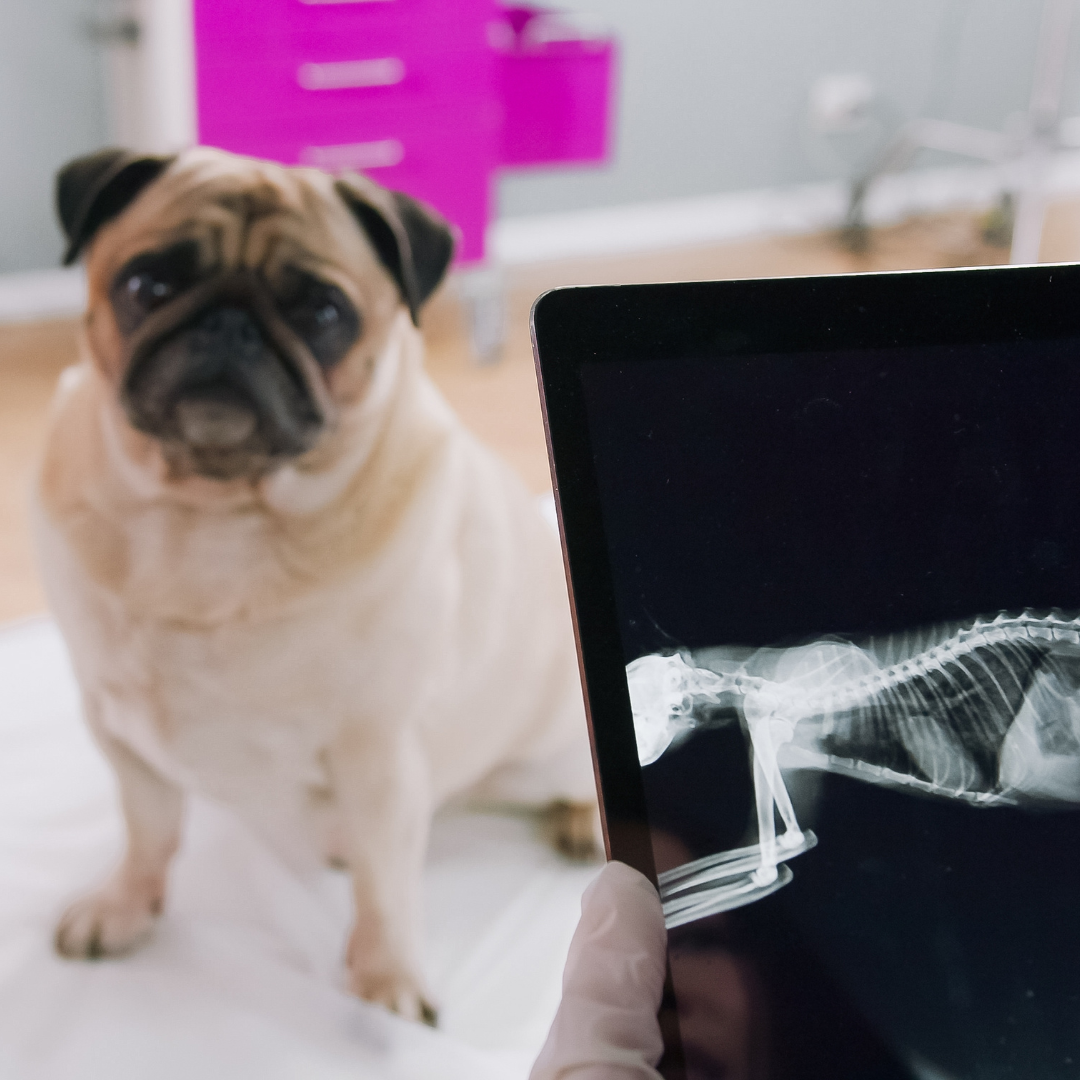
When Does a Dog Need Diagnostic Imaging?
Learn when a dog may need diagnostic imaging with insights from Petmed Urgent Care. Discover how advanced imaging supports accurate diagnosis.

Our Pets Can Have Allergies, Too!
Learn how to recognize and manage pet allergies with guidance from Petmed Urgent Care. Help keep your pet comfortable and healthy. Read more today.